
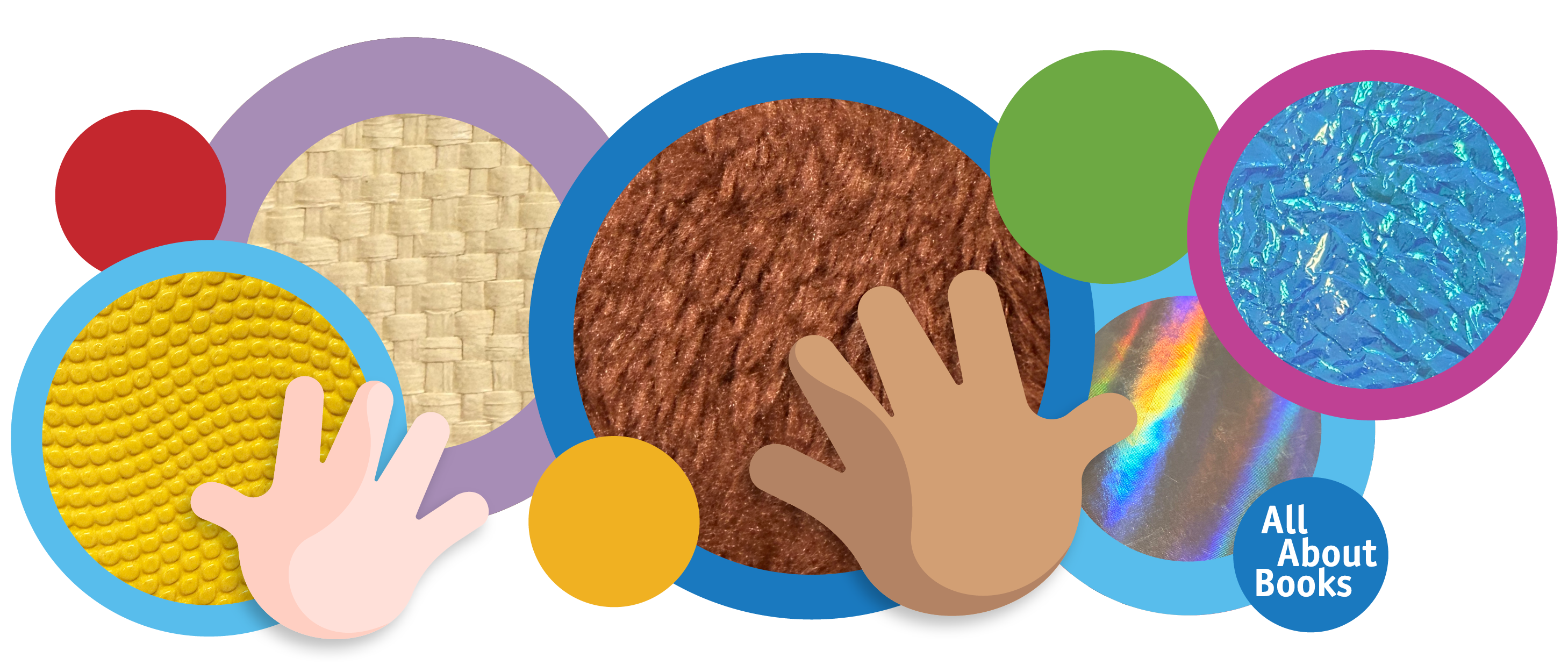

The senses, being explorers of the world, open the way to knowledge.
Dr. Maria Montessori
As soon as they are born, babies are learning about the world around them—and books play a surprisingly powerful role in those first few months. Reading together with babies starting at birth helps support early brain development by building connections related to language, vision, and bonding. At this stage, the best books are simple, sturdy, and engaging for developing senses—such as high-contrast black-and-white images, bold patterns, baby faces, and engaging textures. Sharing these kinds of books doesn’t just introduce babies to reading, it creates comforting routines and joyful moments that lay the foundation for a lifelong love of books and learning.
To help us better understand the power of reading in the earliest months of life, we spoke with Dr. Anna Miller-Fitzwater, MD, MPH, FAAP, Associate Professor of Pediatrics in General Pediatrics at Wake Forest University School of Medicine. She provides both direct clinical care and resident supervision in the newborn nursery and outpatient general pediatrics clinic, and is a co-author of the AAP Policy Statement on Literacy Promotion in Pediatric Primary Care. Her expertise highlights how simple, everyday interactions—like sharing a book—can play an important role in healthy brain development during infancy.
Why is it beneficial to start reading to babies as early as birth, even before they can understand words?
Babies’ brains are making connections that foster learning even before they are born. Brain growth and solidifying neural pathways really goes into hyperdrive during infancy. With respect to shared reading, the neural networks for seeing, hearing and language grow the quickest during the earliest months and years of life. During these so-called critical periods, learning is rapid and provides lifelong benefits. Neural connections that are used more are connected stronger than areas that are not used as much, which may be “pruned” or eliminated entirely. By sharing language with babies, caregivers help babies strengthen these areas. Shared reading and language also help build routines that promote positive childhood experiences early. Equally as important, shared reading is a way to help form bonds between caregivers and their children. This helps babies feel secure and safe, improves their social-emotional skills and is a fun activity for caregivers to do to promote attachment with their babies.
How can literacy programs help caregivers feel confident reading to very young babies?
Literacy programs can help caregivers feel confident sharing language and reading with young babies by providing age-appropriate books that are interesting to both caregivers and babies, as well as supporting caregivers with tips on how to interact with babies and books. In this age range it is important to demonstrate or provide advice for how caregivers can share books with their young babies. Young infants don’t interact as obviously as older infants and children, so shared reading can seem awkward. Most importantly, caregivers should be told that being close together, sharing face to face interactions with their babies, is the most important “ingredient” of book sharing with their child. In the younger ages especially, the book is a tool to foster engagement and give caregivers ideas of things to talk about. It is not the main point of focus for either caregiver or baby. Keep in mind that very young babies see best at 8-12 inches away, which is also the average distance between a baby and their caregiver’s faces during feeding. It’s helpful to rest baby face to face in the caregiver’s arms or on their thighs if sitting on a level surface, with the knees bending up. Importantly, literacy programs can help remind caregivers that this is something that everyone can be successful doing and there isn’t one correct way to read to their baby. If it’s not an enjoyable experience or they don’t have time in the moment, take a step back and re-evaluate another day. As long as they are sharing language and interacting with their baby in a positive way that is all that matters!


Specific Benefits of Tactile/Sensory Books for Infants
How do sensory elements—like textures, crinkle sounds, or mirrors—support early learning development? Babies learn through play and observation with their environment. As they get a little bigger and develop motor control for exploring the world through touch, showing them a variety of different textures and naming them helps develop their sense of touch and they learn how different surfaces feel. Books with crinkle sounds help stimulate their auditory senses and help them learn cause and effect; When they grab the page, they hear a noise. Mirrors help them learn about themselves and promote self-recognition. Watching their face in a mirror helps them see what facial expressions they can make. Above all, sensory books are simply fun for babies since they stimulate multiple senses, which keeps babies’ attention longer. When babies engage more senses, it seems to help make learning easier and memories stronger.
What types of sensory features are most appropriate and beneficial for newborns and young infants? Really anything that promotes developmentally appropriate interactions and is safe for baby is beneficial. For safety, caregivers should look for parts that are not too small, not made of a thin, non-breathable fabric like latex that can be a choking hazard, those that don’t have strings over a few inches long, and ones are not made or filled with toxic materials. Any sensory elements should be sewn in well so they can’t detach and be a choking hazard. If it’s a fabric book, having one that is washable is a plus!
There isn’t one set or type of sensory feature that is most beneficial, but having a range of different sensory features is good to help expose babies to multiple types. It does help to match the baby’s developmental level to make sure they can interact with the book appropriately. For newborns it is best to focus on the caregiver interaction, including their voice and smell rather than having the book provide the multisensory input. As a baby grows, learns new skills and becomes more interactive with the environment, that’s the perfect time to add in more sensory elements into their books.
How can caregivers use sensory books to make reading more interactive and engaging for infants? The best way is to play along with the baby! Caregivers can show the baby the sensory element and explain it and help baby experience it as well. For instance, a caregiver can touch a patch soft puppy fur in a book and help lead the baby’s hand to the fur or point to it for baby to reach out to it while describing it as soft and telling a story about their pet dog or asking what noise a dog makes and barking. They can pat the crinkly page in the book and react with a fun expression to the noise they hear.
Make sure to let the baby experience the book with all their senses, including chewing and dropping the book – it’s how a baby learns about cause and effect and gravity! Most importantly, be silly, be positive and have fun together! That is what really helps form strong neural networks in baby’s brain and forms the positive safe stable nurturing relationships that the baby will reminisce about forever.

Hey there, I’m Dr. Anna Miller-Fitzwater
Dr. Anna Miller-Fitzwater, MD, MPH, FAAP, is an Associate Professor of Pediatrics in General Pediatrics at Wake Forest University School of Medicine. She provides both direct clinical care and resident supervision in the newborn nursery and outpatient general pediatrics clinic.