

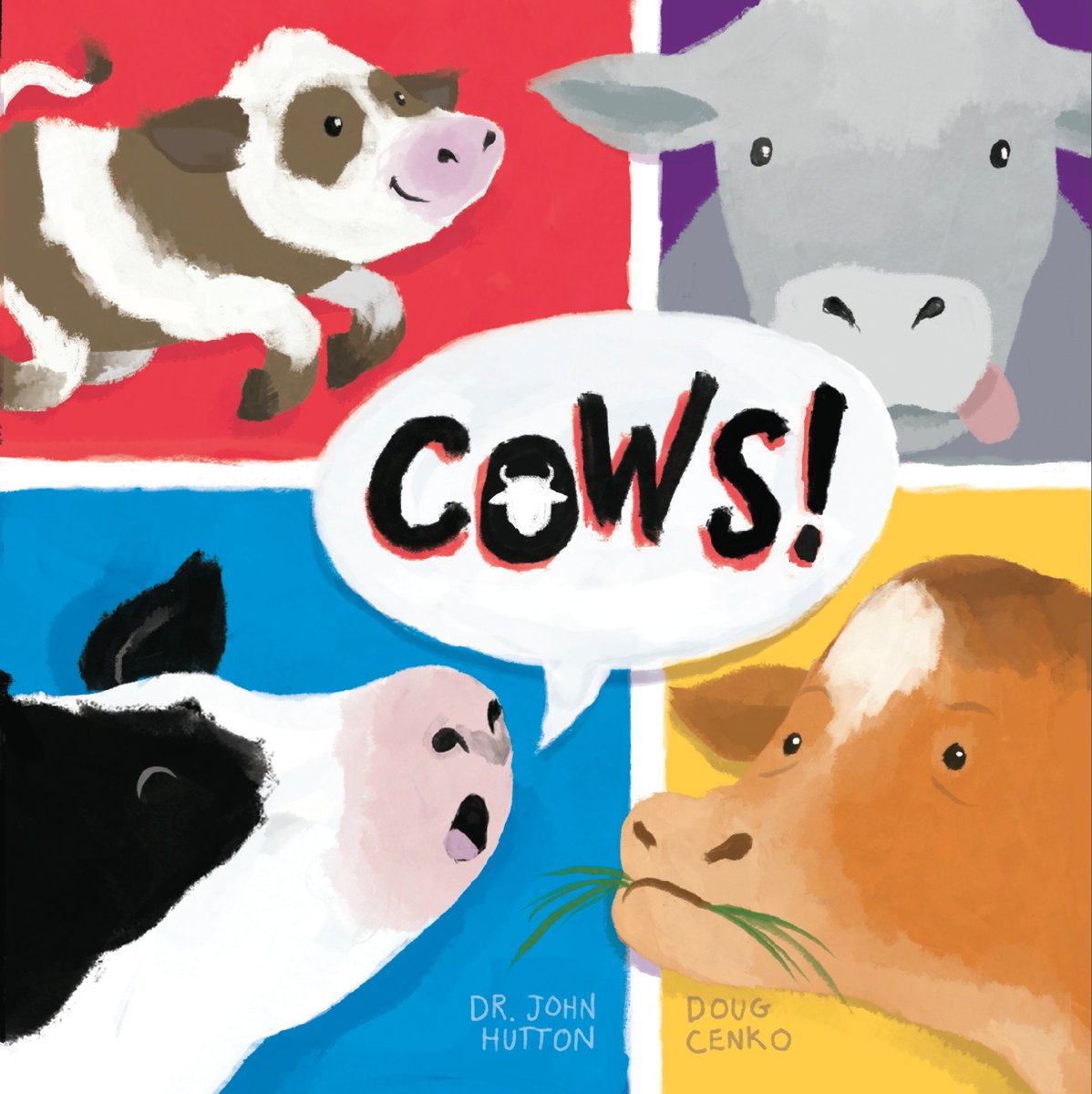
My daughter, Isla, loves the DR Book series, specifically Cows! It was one of the early books she really participated in reading. Pointing and interacting in conversation with me about what was on the page and learning that a cow says “moo!" A dialogic book offers an opportunity to narrate the story differently each time, making it sound more conversational rather than just reading text off a page.
Taylor Como, Customer Service Specialist at All About Books
What is Dialogic Reading?
Shared reading—reading together with a child—is a powerful way to support early literacy, nurture a love of reading, and build connection. But not every family approaches it with the same confidence or support. For some, reading aloud feels natural; for others, it can raise worries about doing it “right” or whether their child is benefiting. These concerns can lead to misconceptions, such as thinking a parent must be an expert reader or that screen media is a better substitute.
That’s where the dialogic reading method can help. Developed by education researchers in the 1980s, it is an evidence-based approach that makes reading more interactive and enjoyable. By inviting children to join in through questions, prompts, and conversation, it builds curiosity, vocabulary, critical thinking, and confidence. Through dialogic reading, caregivers can help build a strong foundation for lifelong learning.
Dialogic Reading uses types of prompts (questions) and responses, represented by PEER/CROWD.
PEER stands for:
-
-
-
Prompt the child with a question
-
Evaluate the response in a supportive way
-
Expand on the response to add information or spice
-
Repeat the expanded response, and invite the child to, as well.
-
-
CROWD stands for 5 types of questions:
-
-
-
Completion of a sentence
-
Recall something from earlier in the story
-
Open-ended questions (ones with no “right” answer)
-
Wh- questions (which do have right answers, e.g. “What’s that?”)
-
Distancing, or relating the story to the child’s life.
-
-
You can use dialogic reading with any kind of book. Benefits include improved language skills, story understanding, attention, empathy, brain development, and relationships, which increase the more that you read! Watch this video for an in-depth look at the process of the dialogic reading method.
Our Favorite Books for Dialogic Reading
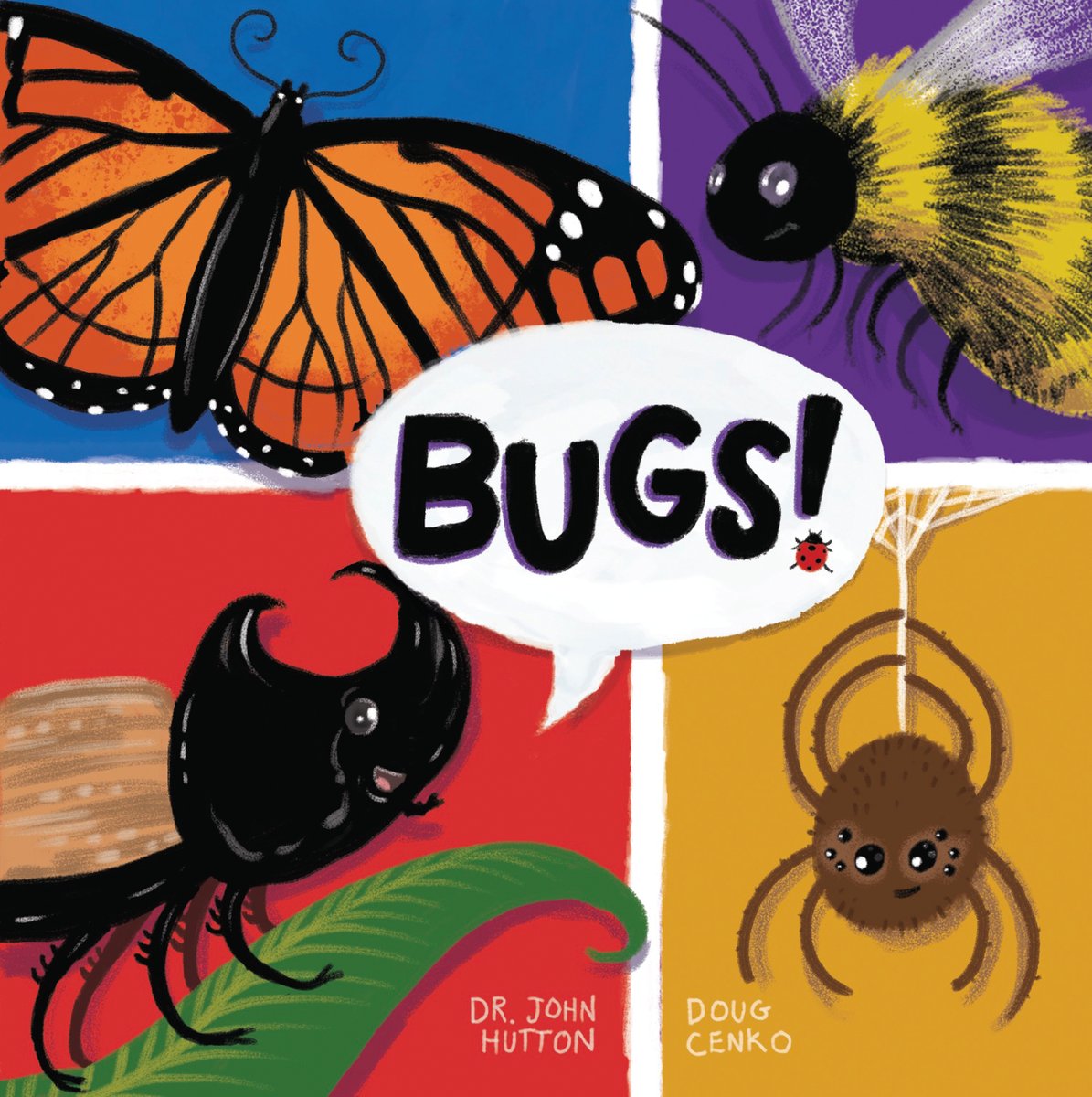
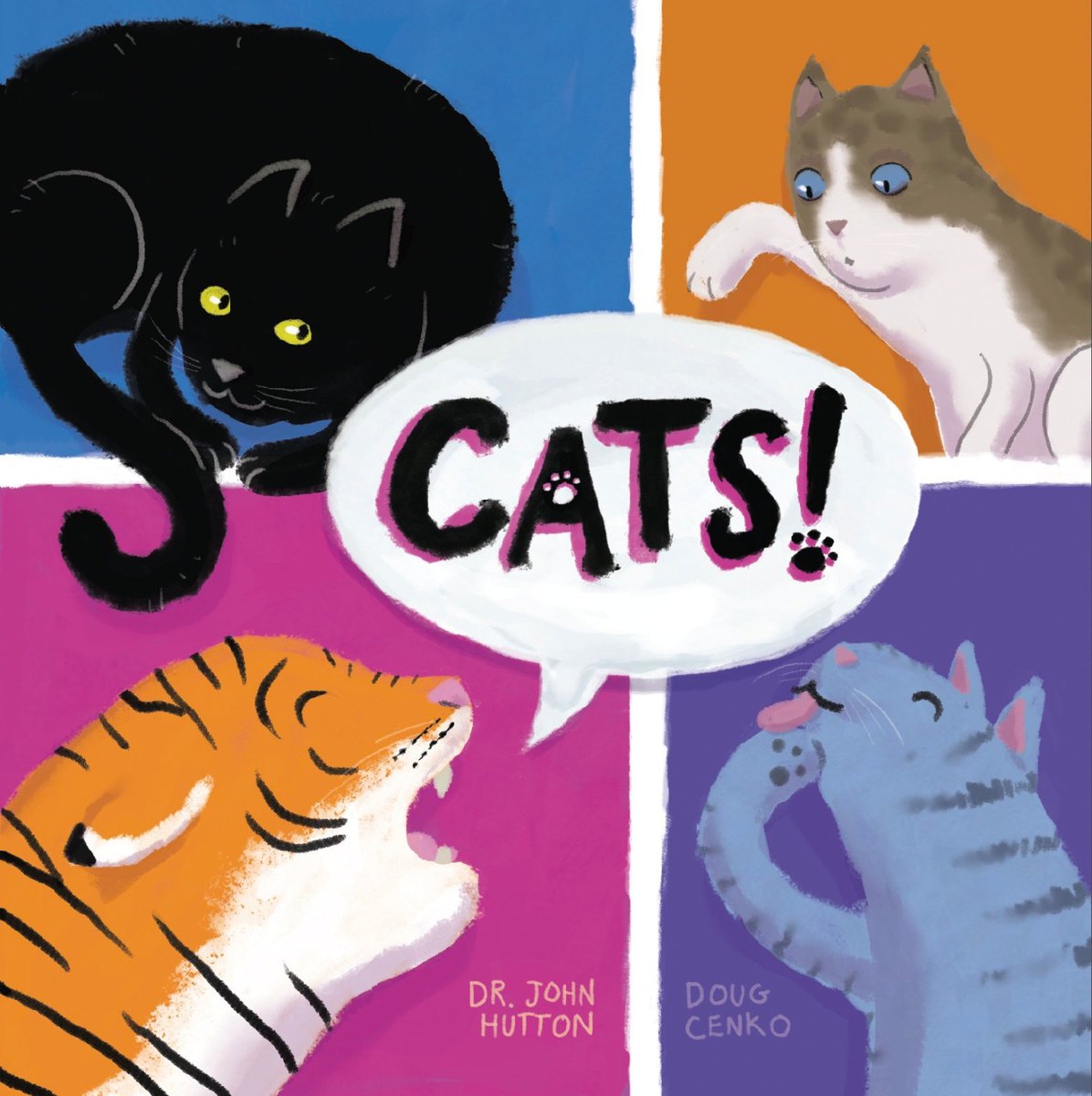
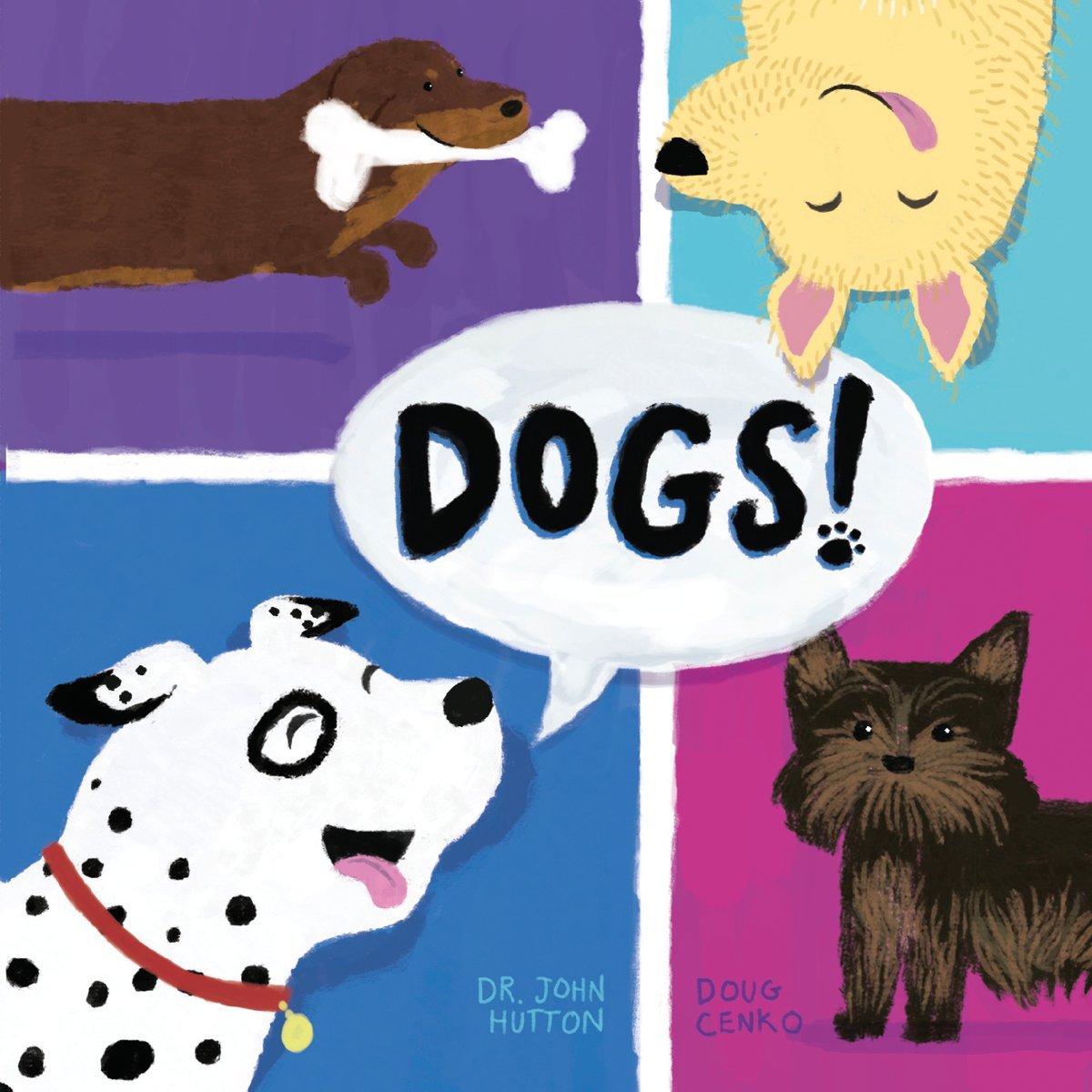
DR Books series by pediatrician, researcher and author Dr. John Hutton. The DR Books series was designed to model dialogic reading through simple, engaging stories for home or classroom read-alouds. It helps readers learn the approach naturally as they read together.
The My First Brain Quest series is made for early readers and loved by kids, parents, and teachers alike. Its question-and-answer format encourages conversation while helping children build confidence with numbers, letters, shapes, colors, vocabulary, and more.


The What Do You See? series, turns everyday moments—at the grocery store, on the playground, or along the sidewalk—into opportunities for conversation and vocabulary growth. By asking, “What do you see?”, each spread encourages little ones to point, name, and talk through what they notice with a caregiver. Available in Spanish-English bilingual editions, with select titles offered in Haitian Creole-English, Simplified Chinese-English, and Arabic-English bilingual editions.


Want to learn more? Read our blog post written by pediatrician Dr. John Hutton, which explores his dialogic reading research and the creation of the DR Books series.

Hey there, I’m Brittany Winans
Brittany started in Spring 2022 and works on maintaining all our marketing, branding, publishing, and social media efforts with our Marketing Manager. If you follow us on social media, chances are you have already seen some of Brittany’s work!